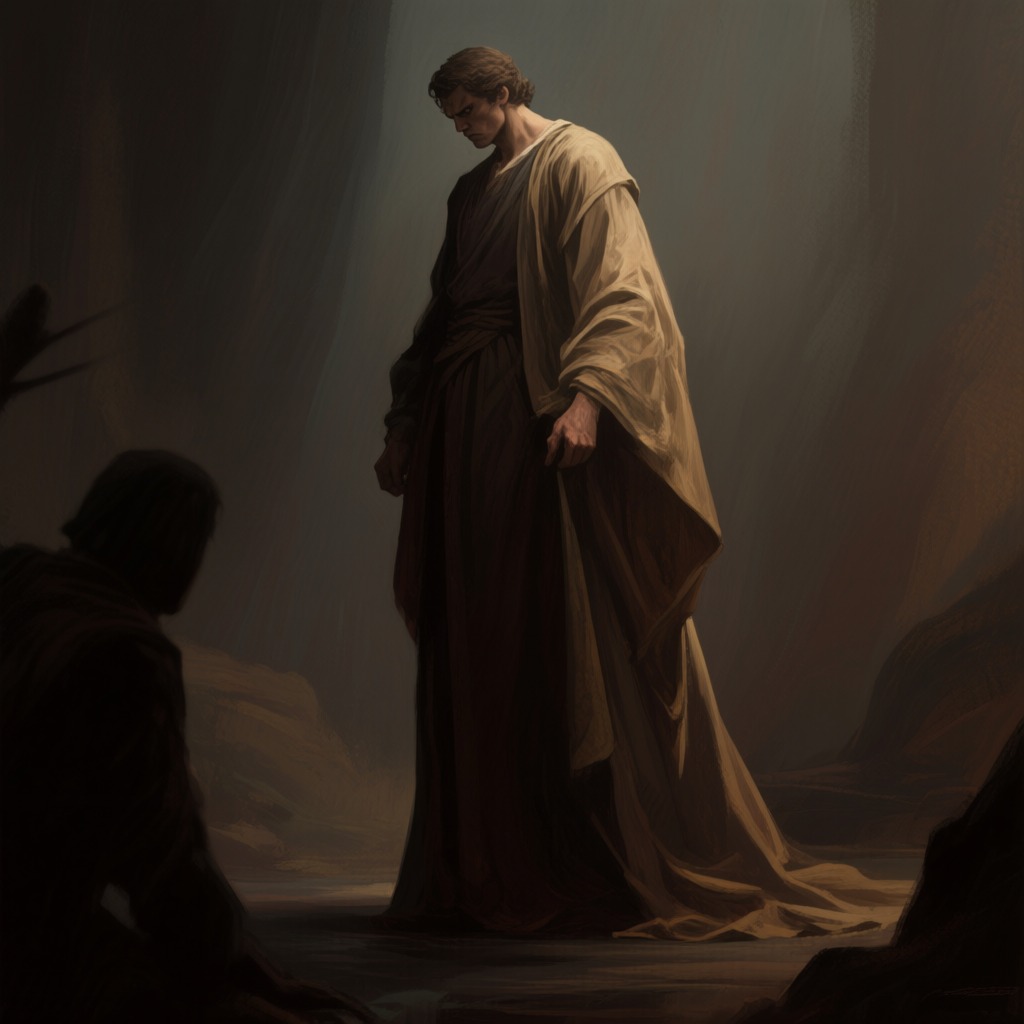
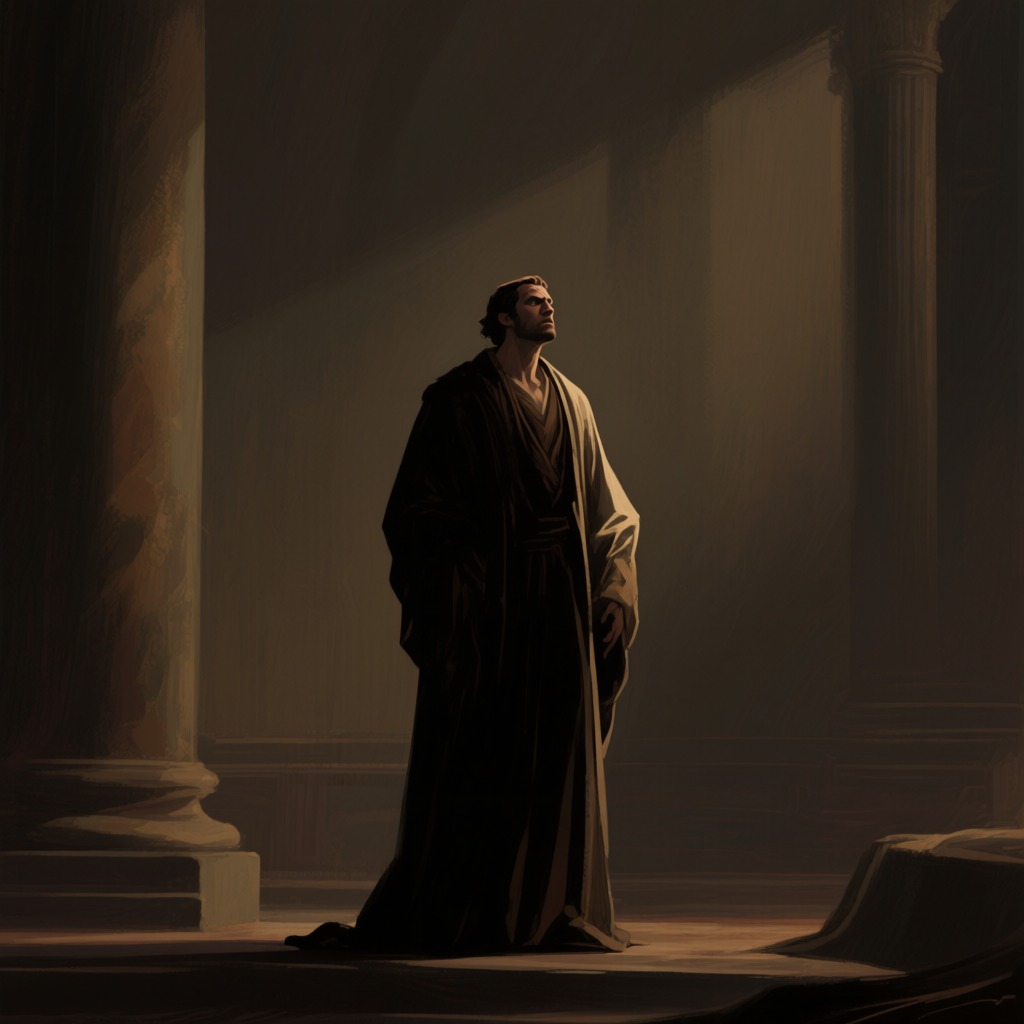
Mullah Faizullah
Mullah Faizullah is the elderly village Koran tutor, the akhund of Gul Daman, who visits Mariam at the kolba once or twice a week to teach her the five daily namaz prayers and tutor her in Koran recitation, just as he had taught Nana when she was a little girl. It was Mullah Faizullah who taught Mariam to read, patiently looking over her shoulder as her lips worked the words soundlessly, her index finger lingering beneath each word, pressing until the nail bed went white, as though she could squeeze the meaning out of the symbols. It was Mullah Faizullah who held her hand, guided the pencil in it along the rise of each alef, the curve of each beh, the three dots of each seh.
Appearance and Character
Mullah Faizullah is a gaunt, stooping old man with a toothless smile and a white beard that drops to his navel. Usually he comes alone to the kolba, though sometimes with his russet-haired son Hamza, who is a few years older than Mariam. When he shows up at the kolba, Mariam kisses Mullah Faizullah's hand—which feels like kissing a set of twigs covered with a thin layer of skin—and he kisses the top of her brow before they sit inside for the day's lesson. After the lesson, the two of them sit outside the kolba, eat pine nuts and sip green tea, watching the bulbul birds darting from tree to tree. Sometimes they go for walks among the bronze fallen leaves and alder bushes, along the stream and toward the mountains. Mullah Faizullah twirls the beads of his tasbeh rosary as they stroll, and, in his quivering voice, tells Mariam stories of all the things he has seen in his youth, like the two-headed snake he found in Iran, on Isfahan's Thirty-three Arch Bridge, or the watermelon he split once outside the Blue Mosque in Mazar, to find the seeds forming the words Allah on one half, Akbar on the other.
Role as Mentor and Confidant
Mullah Faizullah admits to Mariam that, at times, he does not understand the meaning of the Koran's words, but he likes the enchanting sounds the Arabic words make as they roll off his tongue. He says they comfort him, ease his heart. "They'll comfort you too, Mariam jo," he says. "You can summon them in your time of need, and they won't fail you. God's words will never betray you, my girl." Mullah Faizullah listens to stories as well as he tells them. When Mariam speaks, his attention never wavers; he nods slowly and smiles with a look of gratitude, as if he has been granted a coveted privilege. It is easy to tell Mullah Faizullah things that Mariam does not dare tell Nana. One day, as they are walking, Mariam tells him that she wishes she would be allowed to go to school—a real school, like in a classroom, like her father's other kids. Mullah Faizullah stops. When Mariam asks him to ask her mother for permission, he says, "Then what can I do? God, in His wisdom, has given us each weaknesses, and foremost among my many is that I am powerless to refuse you, Mariam jo," tapping her cheek with one arthritic finger. But when he broaches Nana, she drops the knife with which she is slicing onions and sharply refuses, saying there is only one skill a woman like her needs in life: tahamul—endure. Mullah Faizullah tries to reason with her, saying, "Be reasonable. Come now. If the girl wants—" but Nana cuts him off, telling him with all due respect he should know better than to encourage these foolish ideas.
Comfort After Nana's Suicide
After Nana's suicide, when Jalil brings Mariam to his house in Herat, Mullah Faizullah comes to visit her. When she sees her friend at the door, his white beard and his amiable, toothless smile, Mariam feels tears stinging the corners of her eyes again. She kisses his hand as always and he her brow. He shows her the Koran he has brought with him and opens it, saying, "I figured no sense in skipping our routine, eh?" Mariam tells him she doesn't need lessons anymore—he taught her every surah and ayat in the Koran years ago. He smiles and raises his hands in a gesture of surrender, confessing he has been found out but can think of worse excuses to visit her. When Mariam says she keeps thinking of what Nana said to her before she left, Mullah Faizullah puts his hand on her knee and tells her that her mother, may Allah forgive her, was a troubled and unhappy woman. He says she did a terrible thing to herself, to Mariam, and also to Allah, but that Allah will forgive her, for He is all-forgiving, though He is saddened by what she did because He does not approve of the taking of life. He pulls his chair closer, takes Mariam's hand in both of his own, and tells her he knew her mother before she was born, when she was a little girl, and that she was unhappy then. "The seed for what she did was planted long ago, I'm afraid. What I mean to say is that this was not your fault. It wasn't your fault, my girl." When Mariam says she shouldn't have left her, he stops her firmly: "You stop that. These thoughts are no good, Mariam jo. You hear me, child? No good. They will destroy you. It wasn't your fault. It wasn't your fault. No." Mariam nods, but as desperately as she wants to, she cannot bring herself to believe him.
Legacy and Final Mention
Years later, when Laila visits Herat after Mariam's execution, she goes to Mullah Faizullah's house. His son Hamza opens the door. Hamza tells Laila that his father, may he rest in peace, was so very fond of Mariam. He was the one who sang azan in her ear when she was born, visited her every week, never missed. He was her tutor, yes, but he was a friend too. Hamza says his father was a charitable man, and it nearly broke him when Jalil gave her away. Hamza reports that Mullah Faizullah lived to be a very old man, outliving Jalil, and was buried in the village cemetery, not far from where Nana is buried. Hamza describes him as a dear, dear man, surely heaven-bound.